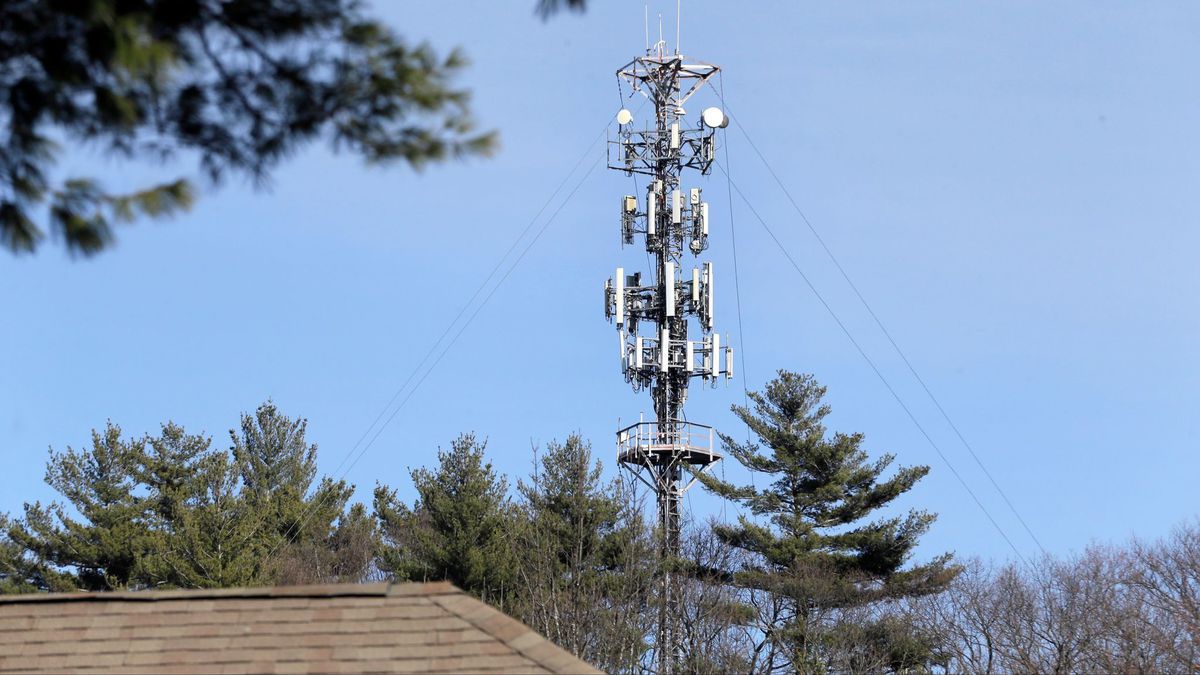
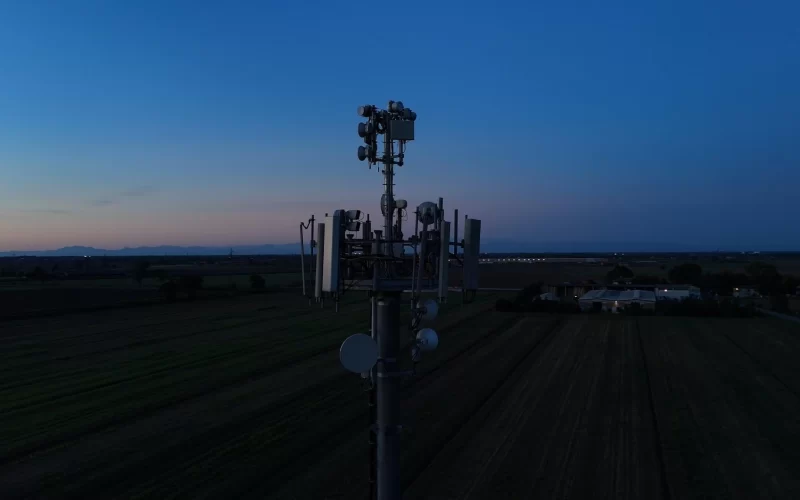
When property owners consider leasing land or rooftop space for a telecommunications tower, the excitement of recurring income can be appealing. But behind the promise of regular payments lies a complex legal agreement that can shape your financial future for decades. That’s why understanding the role of a consultant—and selecting the right one—is crucial for maximizing the value of a cell tower lease.
Experienced consultants help landowners navigate contract language, market valuation, escalation terms, site usage rights, and long-term implications that are easy to overlook without professional guidance. Making the right choices today can mean generating steady income while avoiding common pitfalls that have cost many unsuspecting owners thousands.
Why Cell Tower Leases Deserve Special Attention
At a glance, a cell tower lease sounds simple: a carrier pays rent in exchange for installing and operating a tower on your property. In practice, however, these agreements often span decades and contain clauses that impact not only your income, but your uninterrupted use of the property, future development rights, and your ability to sell or subdivide the land later.
For example, many leases automatically renew after the initial term unless one party provides notice to terminate. These clauses may sound routine, but they can lock you into suboptimal payment levels long after market rates have increased. Other provisions allow carriers to colocate additional equipment without renegotiating rent, further extending their footprint without additional compensation.
Given the complexity and long-term nature of these agreements, seeking expert advice is not a luxury—it’s a necessity. Consultants specialize in evaluating every detail within a lease, ensuring you understand the financial impact and strategic implications before signing on the dotted line.
What a Cell Tower Lease Consultant Actually Does
A consultant’s role extends far beyond reading the contract. These professionals bring market knowledge, industry experience, and negotiation expertise that most landowners simply do not possess. Their value comes in a number of ways:
- Fair Market Evaluation: Consultants assess whether the rent offered reflects current market rates in your region. They use comparable agreements and carrier demand trends to help ensure you receive competitive compensation.
- Clause Analysis: They review every clause in the lease, identifying terms that may limit your future flexibility, such as automatic renewals, assignment rights, and equipment expansion provisions.
- Negotiation Strategy: Consultants can propose alternative language or payment terms that better protect your interests. Even small improvements in escalation clauses or renewal terms can result in significantly higher lifetime income.
- Risk Identification: Advisors help you understand liabilities and obligations that could expose you to legal risk, such as insurance responsibilities, maintenance requirements, or access rights granted to carriers.
- Long-Term Planning: Good consultants help you anticipate how market changes, technology shifts, and regulatory updates may affect your lease over 10, 20, or even 30 years.
Without this level of expertise, owners may accept initial offers that look attractive but fail to account for important factors like inflation, future equipment upgrades, or evolving zoning regulations.
Signs You Should Work With a Consultant
Not every lease negotiation requires an expert—but certain situations almost always benefit from professional involvement:
- If the lease term is longer than 10 years.
- If the monthly rent includes no or low escalation increases.
- If the carrier includes language allowing additional equipment with no rent adjustment.
- If you are unfamiliar with telecommunications law or industry standards.
- If the lease affects development plans or financing arrangements related to the property.
For most landowners, particularly those negotiating their first tower lease, the complexity of these agreements makes consulting support nearly essential. Without it, you risk undervaluing your asset and locking in terms that may be difficult or costly to amend later.
How to Evaluate a Consultant’s Expertise
Not all consultants deliver the same level of service. Some focus strictly on basic valuation, while others offer seasoned negotiation support backed by years of industry experience. When evaluating potential advisors, consider the following criteria:
- Track Record: Ask for examples of past leases they have negotiated or reviewed, especially leases similar to yours in location or structure.
- Market Knowledge: A strong consultant understands regional differences in lease rates, carrier demand patterns, and zoning impacts.
- Contract Fluency: Look for professionals who can explain contract implications clearly and relate terms to real-world outcomes.
- Negotiation Confidence: The best consultants not only analyze agreements but actively negotiate on your behalf for better terms.
- Client References: Talking with previous clients helps gauge communication style, responsiveness, and the overall value they delivered.
Ultimately, the right consultant should act as both a technical expert and a strategic partner, supporting your long-term financial goals rather than simply signing off on any contract you receive.
Common Mistakes Landowners Make Without Expert Help
Going it alone—or relying solely on standard legal counsel—can lead to mistakes that are costly over time. Some frequent issues include:
- Accepting low escalation terms: A lease with no or minimal annual increases can lose value over time due to inflation.
- Failing to limit equipment expansion: Without proper clauses, carriers may add antennas or equipment without additional rent.
- Ignoring assignment rights: Carriers often include provisions that allow them to transfer the lease to third parties without owner consent.
- Overlooking tax or usage implications: Certain provisions can affect property taxes or future development rights.
Experienced consultants help you spot and correct these issues before they become entrenched in a long-term contract.
Putting Expert Advice to Work
Once you select a consultant, the work typically begins with a thorough review of the proposed lease. The advisor will identify problematic clauses, quantify potential income scenarios based on escalation options, and recommend negotiation strategies. Throughout this process, your consultant should keep you informed and explain not just what changes are proposed, but why they matter.
Because these agreements can affect your property for decades, having a professional advocate in your corner provides peace of mind and strengthens your negotiation position. Even if your lease eventually looks similar to the original offer, the insights you gain through expert evaluation ensure that agreement is truly in your best interest.
Where to Learn More Before You Begin
Before engaging a consultant, many landowners find it helpful to review negotiation guides and expert commentary to understand key issues. A useful resource on this topic can be found in discussions of cell tower lease negotiation fundamentals such as how to select expert cell tower lease consultants. Learning common dos and don’ts helps you ask the right questions and evaluate proposals more effectively.
Conclusion
A cell tower lease may appear straightforward, but its true value—and your long-term financial benefit—depends on the details. Working with a qualified consultant helps ensure you receive fair compensation, protect your property rights, and avoid costly contract pitfalls. Whether you are negotiating your first lease or looking to reevaluate existing terms, expert guidance can make the difference between a good deal and a great one.